The Rise of Non-Surgical Treatment
In early to moderate cases of knee pain, non-surgical treatment is not a compromise—it often yields equal or better long-term outcomes than premature surgery. Up to 60% of patients with Grade 1 or 2 knee osteoarthritis can achieve significant pain relief without surgery, provided they adhere to a structured, evidence-based program. The goal is simple: preserve the natural joint, manage symptoms, and delay or prevent the need for joint replacement.
The 7 Non-Surgical Treatments
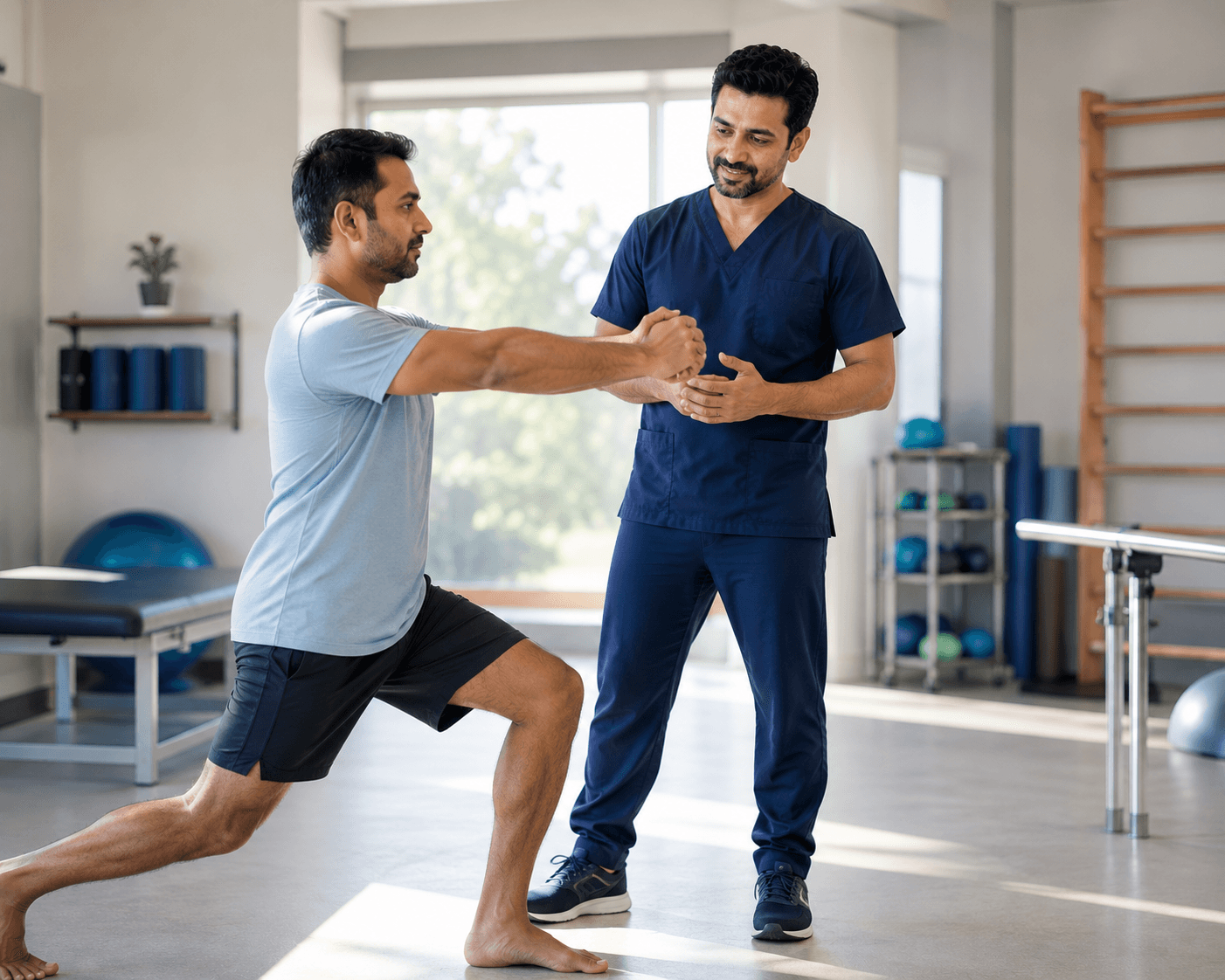
1. Structured Physiotherapy: Not just generic exercises, but targeted strengthening of the vastus medialis oblique (VMO) muscle, hip abductors (via glute presses and hip thrusts), and proprioceptive balance training. 2. Viscosupplementation: Injecting hyaluronic acid directly into the joint to act as a lubricant, reducing friction and restoring cushioning for 4 to 12 months. 3. Corticosteroid Injections: Used sparingly to manage acute inflammatory flares and provide immediate, temporary pain relief. 4. Knee Bracing: Modern offloader braces redistribute weight away from the damaged side of the joint, reducing pain by 50-60% during activities. 5. Weight Management: Lowering body weight reduces joint load exponentially (every 1 kg lost removes 4 kg of pressure per step). 6. Anti-inflammatory Diet: A diet low in refined sugars and rich in anti-inflammatory agents like omega-3 fatty acids and turmeric. 7. Bioassisted Therapies: Advanced regenerative treatments like bone marrow concentrate or adipose-derived stem cells for localized early cartilage defects in younger patients.
PRP Injection: The Regenerative Option
Platelet-Rich Plasma (PRP) injections utilize your own blood, spun in a centrifuge to isolate concentrated platelets containing natural growth factors. When injected into the knee, PRP stimulates tissue repair and reduces inflammation. Best suited for early-to-moderate osteoarthritis and meniscus degeneration, a standard protocol consists of 3 injections spaced 4 to 6 weeks apart. Pain relief typically lasts 6 to 18 months, with costs in Hyderabad ranging from ₹8,000 to ₹18,000 per injection.
Weight Control and Joint Load
Because of joint biomechanics, every extra kilogram of body weight translates to four kilograms of force on the knee joint with each step. A weight loss of just 5 kg can significantly reduce knee pain and slow osteoarthritis progression. Studies indicate that a 2-point reduction in BMI over a decade decreases the risk of knee osteoarthritis progression by up to 20%. Pair structured weight loss with low-impact exercises like swimming, aqua aerobics, or cycling.
When is Surgery Necessary?
While non-surgical treatments are highly effective, they have limitations. You should consult an orthopedic specialist about surgical options if: your sleep is disrupted by knee pain consecutively for over 3 months, you cannot walk 500 meters without stopping, X-rays show severe Grade 3 or 4 (bone-on-bone) osteoarthritis, or if a dedicated 6-month trial of non-surgical treatment fails to improve your symptoms. Early consultation allows for joint preservation planning rather than reactive crisis management.


